The D&L Blog

More than Coal in the Lehigh Valley
Written by Steve Fala
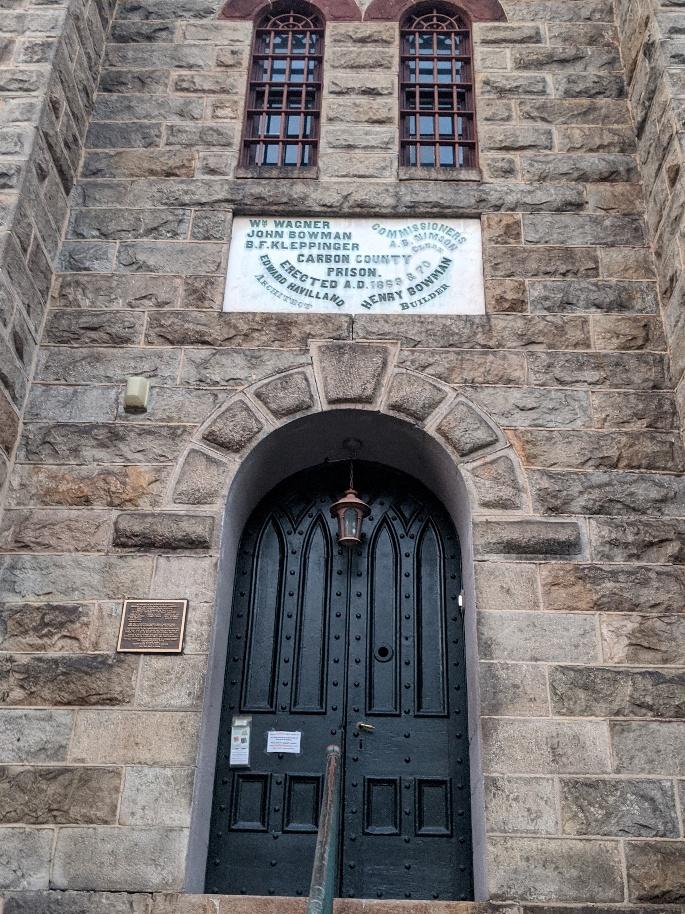
Most people associate coal mining with the Pocono Mountains and have heard the phrase “Coal is King”. It’s understandable as a massive Anthracite boulder sits adjacent to the Jim Thorpe train station for all to see. Climb the hill in town and you will reach the Old Jail Museum where the legendary story of the Molly Maguires; a secret union of Irish coal miners was imprisoned and executed (and an irremovable miner’s hand print remains as an eternal stain of the town’s shame). The No. 9 Coal Mine in Carbon County (where else would it be) takes visitors along an eerie rail ride down a 700 ft mine shaft for tours.
Mining began before the American Revolution and continued reaching its production peak in 1918. Pennsylvania estimates over 11,000 mines exist with the overwhelming majority having been abandoned. The Atlantic Carbon Group operates the only four active mines in the area, although these are strip mines (think of digging a big hole in the ground as opposed to sending miners underground).
That being said, the area has a long history of producing other mineral products. Most residents have long forgotten these now dormant ventures that fueled the country’s development. Here are three stories from that rich mining past.
1 – Iron
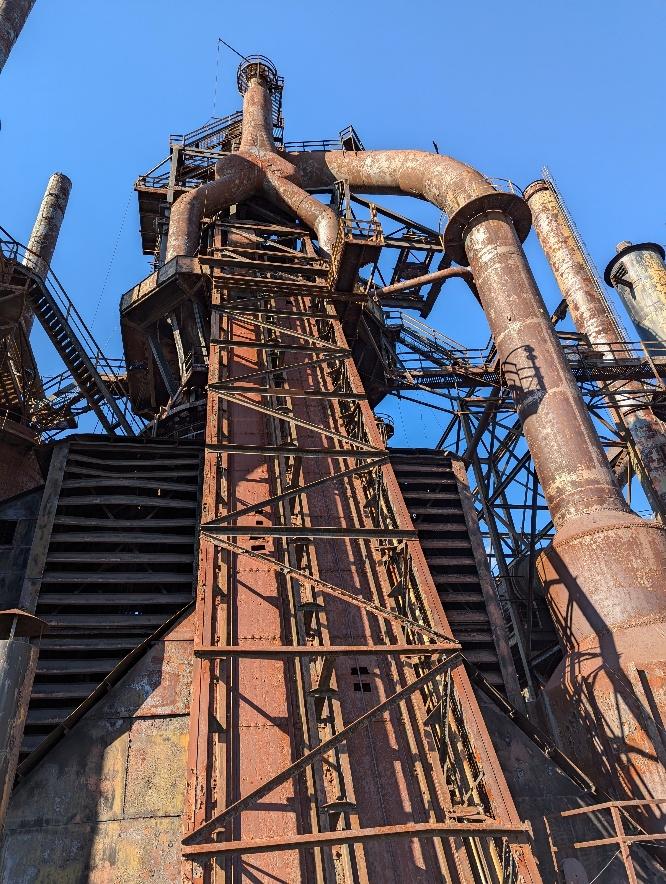
Iron is the fourth most abundant element on earth after Oxygen, Silicon, and Aluminum. Of all the other mines in the state, Iron mines make up 80% of them. As Iron is the primary component of Steel (<95% typically), it’s not hard to see why these instances far outpaced other elements. One only has to visit the colossal Bethlehem SteelStacks to understand the demand. Bethlehem Steel was the second largest steel producer in the US (behind United States Steel in Pittsburgh). At its peak in World War II, it employed over 300,000 workers. At the shipbuilding yard in Sparrows Point (Maryland), it turned out one ship a day supporting the war effort.
Behind these two behemoths were hundreds of iron mines spread across the state. The list of American iconic structures made from their steel includes such landmarks as:
- Golden Gate Bridge
- George Washington Bridge
- Ben Franklin Bridge
- Empire State Building
- Rockefeller Center
- Hoover Dam
In addition to these famous landmarks, the steel produced from the iron mines and forged in smelters fired using the anthracite coal likely was used for the engines of the Lehigh Gorge Scenic Railway and the rails the train rides on. Even the newly opened King Coal Café may have locally sourced materials for the mining past.

2 – Zinc
Zinc was the second most popular mined element in the state comprising a little over 5% of the sites. Among its primary and still current uses are as paint and coatings additives and cosmetic products. The earliest Friedensville Zinc Mines were founded in 1845 and eventually taken over by New Jersey Zinc in 1899. Friedensville is a small community in Lehigh County. New Jersey Zinc was once the largest supplier in the US with the small cluster of Friedensville mines operating until 1983. A small housing development known as Friedensville Terrace was constructed for workers and their families in the 1950’s within walking distance of the mine entrance and still exists today.
Lehigh University (Special Collections) houses the authoritative collection and history of the Zinc mining in the area including many first-hand accounts even leading to restoration efforts for some of the historic landmarks. One of these efforts is focused on the largest of the mines
(Uberroth Mine) President Pumping Engine which still stands off Old Bethlehem Pike accompanied by a historical marker.
For those of us biking or hiking along the D&L Trail or white-water rafting on the Lehigh River this summer, we might likely be using it as Zinc Oxide is the active ingredient in many sunscreen products and a common ingredient in other skin care creations.
3 – Beryllium
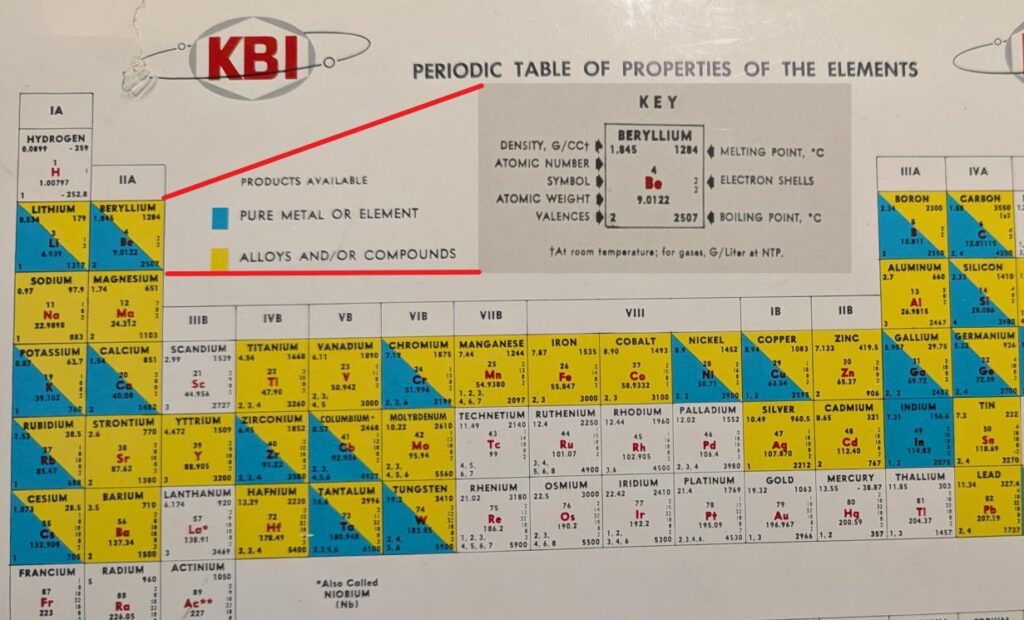
If you have never heard of Beryllium, don’t worry as very few people know this element. While not part of the “so-called” rare earth elements, there is only one mine in the US still actively producing this mineral (Utah).
The previous source of this material was the Kawecki Berylco mine located in Hazelton. The mined was shuttered in 1980 and its remains lie along aptly named Beryllium Road. The material is a high-tech element valued for its lightweight strength and shielding capabilities. It can be used to make non-magnetic and non-sparking materials for tools and fixtures deployed in hazardous environments. In industries such as Oil & Gas, Nuclear, and Space, where even a simple spark can lead to a catastrophic event, this material is highly prized for its safety and reliability.
Currently the Greater Hazelton Rail to Trails uses an abandoned rail line and runs a trail adjacent to the mine. This trail is considered part of the D&L Heritage Corridor and may become a future feeder trail into the main D&L Canal Trail as it lies less than 10 miles west of the Rockport area.
Environmental Issues
It would be remiss if the lasting environmental and health issues of these abandoned mines were not mentioned. Lung diseases like “Black Lung Disease”, Silicosis, and Berylliosis to name a few can have debilitating effects in miners. Water pollution including acidification and contamination with toxic chemicals can taint ground water, rivers and streams without proper remediation and cleanup.
Legacy
History is often seen as the places and structures left behind, but its true story lies in the people and memories connected to them. These mines employed thousands of men and women who labored in difficult and dangerous conditions to support their families. The resources they produced powered our towns and cities and helped create the goods used in everyday life. Let us not forget those people and memories that endure in the region’s history knowing it goes much deeper (literally and figuratively) than we realize.

About the Author
Steve Fala is a retired IT consultant and now works seasonally as a bike guide for Pocono Biking in Jim Thorpe.
Authors Note:
The author has a personal interest in this story as his father was an employee at Kawecki Berylco and worked at the beryllium mine in Hazleton. Aware of the environmental damage, he served three years as President of what is now the Perkiomen Watershed Conservancy. The author never had the chance to visit the mine, as his father passed away on the job while his children were still young.
Archives
- Oct 2026
- Sep 2026
- Aug 2026
- Jul 2026
- Jun 2026
- May 2026
- Apr 2026
- Mar 2026
- Feb 2026
- Jan 2026
- Dec 2025
- Nov 2025
- Oct 2025
- Sep 2025
- Aug 2025
- Jul 2025
- Jun 2025
- May 2025
- Apr 2025
- Mar 2025
- Feb 2025
- Dec 2024
- Nov 2024
- Oct 2024
- Sep 2024
- Aug 2024
- Jul 2024
- Jun 2024
- May 2024
- Apr 2024
- Mar 2024
- Feb 2024
- Jan 2024
- Dec 2023
- Nov 2023
- Oct 2023
- Sep 2023
- Aug 2023
- Jul 2023
- Jun 2023
- May 2023
- Apr 2023
- Mar 2023
- Feb 2023
- Jan 2023
- Dec 2022
- Nov 2022
- Oct 2022
- Sep 2022
- Aug 2022
- Jul 2022
- Jun 2022
- May 2022
- Apr 2022
- Mar 2022
- Feb 2022
- Jan 2022
- Dec 2021
- Nov 2021
- Oct 2021
- Sep 2021
- Aug 2021
- Jul 2021
- Jun 2021
- May 2021
- Apr 2021
- Mar 2021
- Feb 2021
- Jan 2021
- Dec 2020
- Nov 2020
- Oct 2020
- Sep 2020
- Aug 2020
- Jul 2020
- Jun 2020
- May 2020
- Apr 2020
- Mar 2020
- Feb 2020
- Jan 2020
- Dec 2019
- Nov 2019
- Oct 2019
- Sep 2019
- Aug 2019
- Jun 2019
- May 2019
- Apr 2019
- Mar 2019
- Feb 2019
- Jan 2019
- Dec 2018
- Nov 2018
- Oct 2018
- Sep 2018
- Aug 2018
- Jul 2018
- Jun 2018
- May 2018
- Apr 2018
- Mar 2018
- Feb 2018
- Dec 2017
- Nov 2017
- Oct 2017
- Sep 2017
- Aug 2017
- Jul 2017
- Jun 2017
- May 2017
- Apr 2017
- Mar 2017
- Feb 2017
- Jan 2017
- Nov 2016
- Oct 2016
- Sep 2016
- Aug 2016
- Jul 2016
- Jun 2016
- May 2016
- Apr 2016
- Mar 2016
- Feb 2016
- Jan 2016
- Nov 2015
- Oct 2015
- Sep 2015
- Aug 2015
- Sep 2014
- Aug 2014
- Jul 2014
- Jun 2014
- May 2013
- Apr 2013
- Jan 2013
- Oct 2012
- Sep 2012
- Aug 2012
- Jul 2012
- Jun 2012
- May 2012
- Apr 2012
- Mar 2012
- Feb 2012
- Dec 2011
- Nov 2011
- Oct 2011
- Sep 2011
- Aug 2011
- Jul 2011
- Jun 2011
- May 2011
- Apr 2011
- Mar 2011
- Feb 2011
- Jan 2011
- Dec 2010
- Nov 2010
- Oct 2010
- Sep 2010
- Aug 2010
- Jul 2010
- Jun 2010
- May 2010
- Apr 2010
- Mar 2010
- Feb 2010
- Jan 2010
- Dec 2009
- Nov 2009
- Oct 2009
- Sep 2009
- Aug 2009
- Jul 2009
- Jun 2009
- May 2009
- Apr 2009
- Mar 2009
- Feb 2009
- Jan 2009
- Dec 2008
- Nov 2008
- Oct 2008
- Sep 2008
- Aug 2008
- Jul 2008
- Jun 2008
- May 2008
- Apr 2008